One Platform. Ready for More Missions.
Tell us what you need to capture and how
Schedule a demoTalk with a drone specialist
Drones are equipped with various sensors and cameras that can capture precise data, images, and videos. This data can be analyzed to identify issues or anomalies with high accuracy. Additionally, drones can cover large areas or structures more rapidly than manual inspections. The speed and accuracy of data collection enable companies to make informed decisions more quickly, reducing the time needed to address issues and maintain infrastructure.
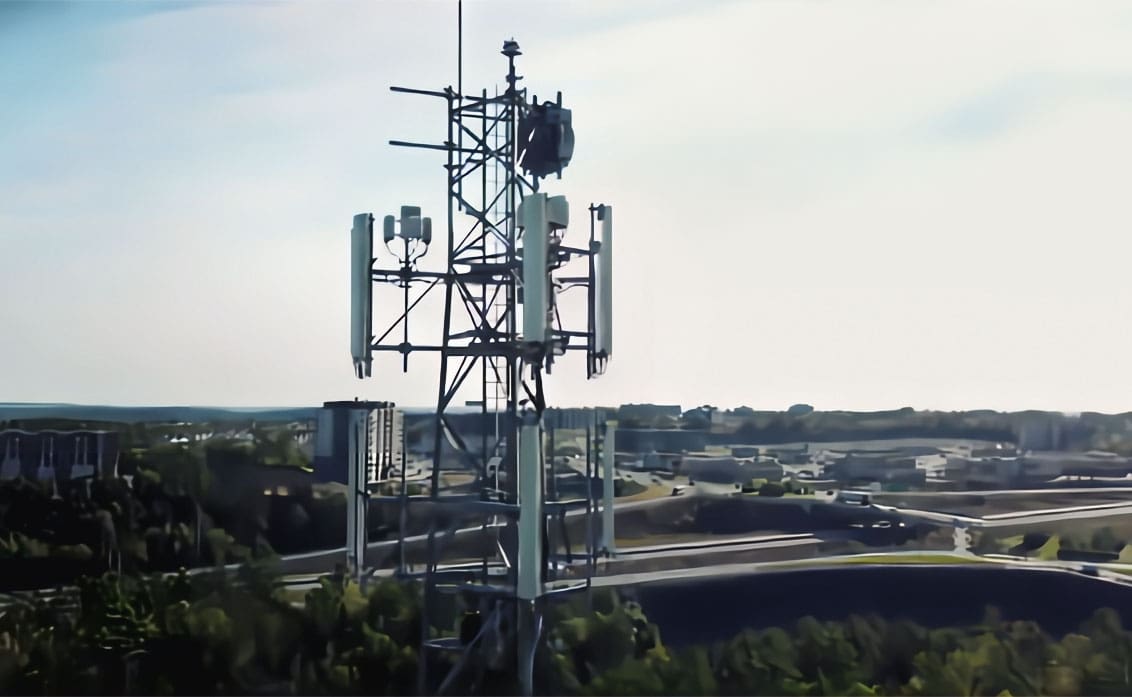
Drone inspections can be conducted in hazardous or hard-to-reach areas without exposing human workers to potential risks. This is particularly valuable in industries like construction, oil and gas, and utilities, where workers might need to inspect tall structures, remote sites, or potentially dangerous environments. Drones can access areas that might be otherwise unsafe for humans, reducing the likelihood of accidents and injuries.
Drones can significantly reduce the cost of inspections when compared to traditional methods. Traditional inspections often involve hiring specialized personnel, renting heavy equipment, or shutting down operations for extended periods. In contrast, drones can quickly and efficiently capture high-resolution images and data, minimizing downtime and labor costs. Over time, this cost savings can be substantial.
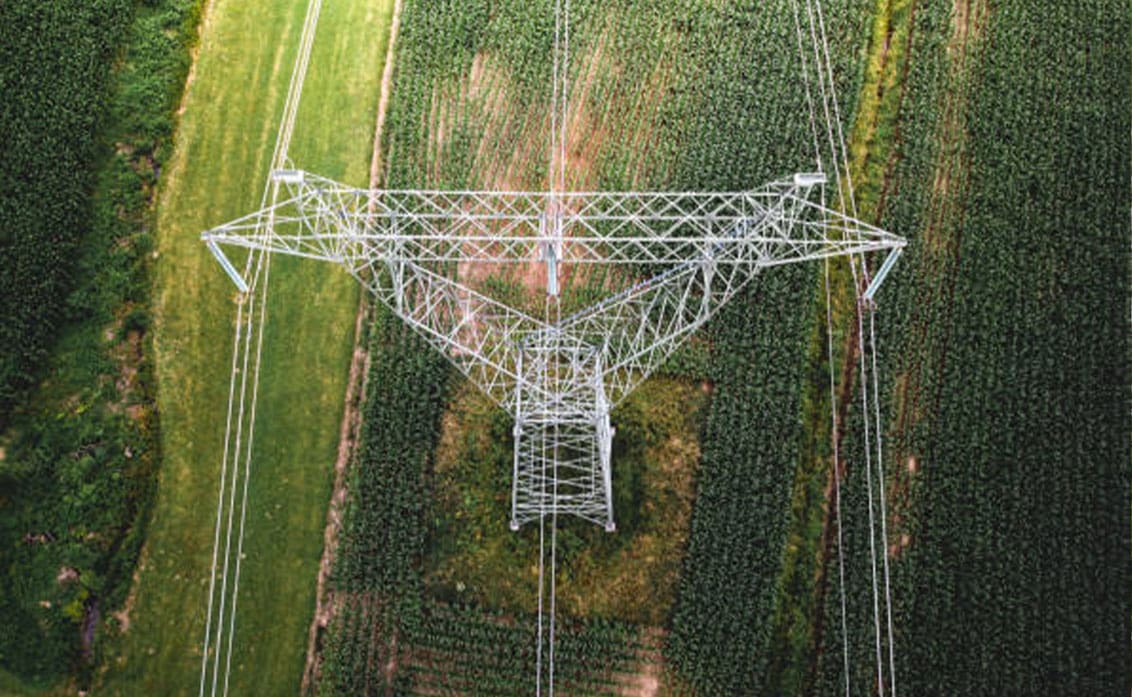
Drones can quickly and accurately inspect power line towers and cables, identifying issues like damaged insulators, vegetation encroachment, and structural damage. Reduced downtime and labor costs result in substantial savings for power companies. Drones can cover long stretches of power lines in a fraction of the time it takes traditional methods.
Drones can efficiently inspect tower structures, antennas, and equipment, ensuring the reliability of critical communication networks. High-resolution imagery and sensor data collected by drones help identify issues, such as rust, corrosion, or loose bolts, enabling proactive maintenance.
Drones equipped with gas detection sensors can identify and report leaks in real-time, minimizing environmental and safety risks. Regular drone inspections reduce the cost of manual inspections, prevent costly downtime, and improve asset management.
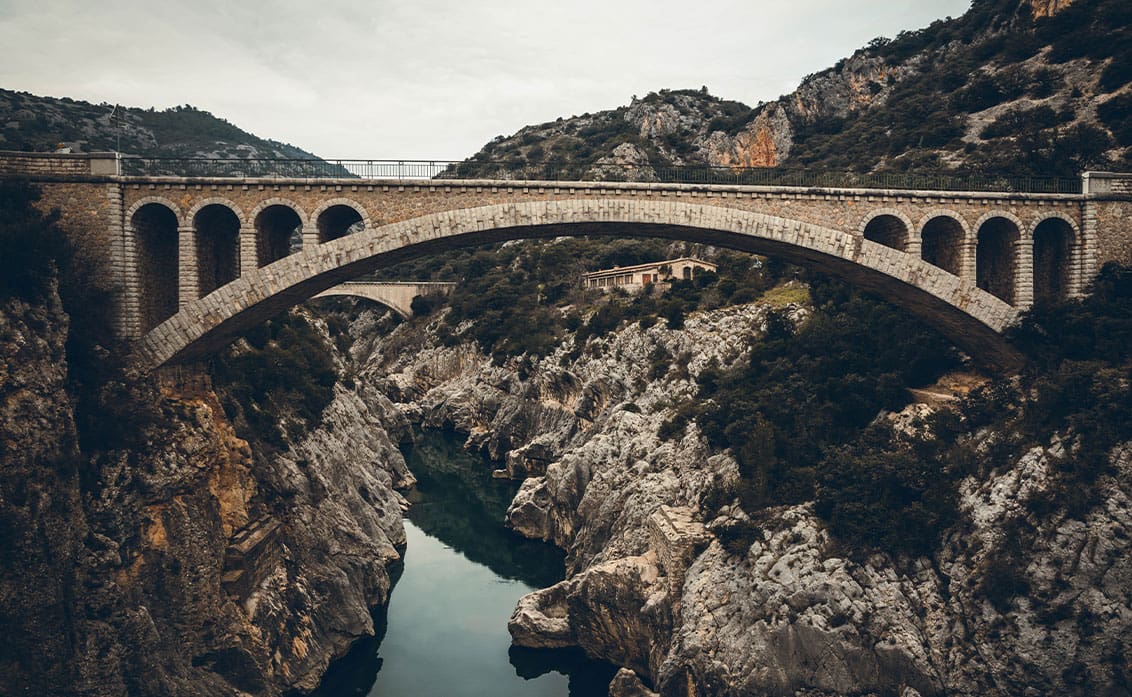
Drones are used for inspecting a wide range of infrastructure, including bridges, roads, dams, and buildings, ensuring their safety and structural integrity. They quickly capture high-resolution imagery and data, allowing engineers to assess and address issues efficiently. Drones can access difficult-to-reach areas, such as the undersides of bridges or the tops of tall structures, reducing the need for costly and risky manual inspections.
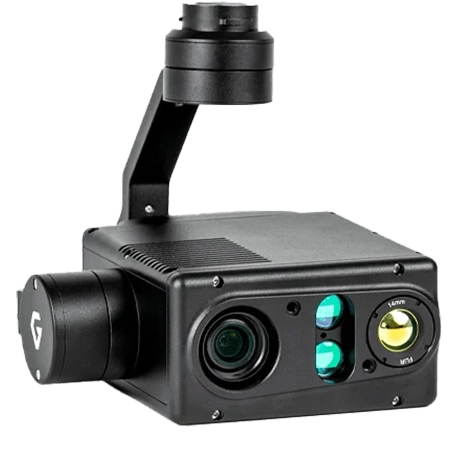
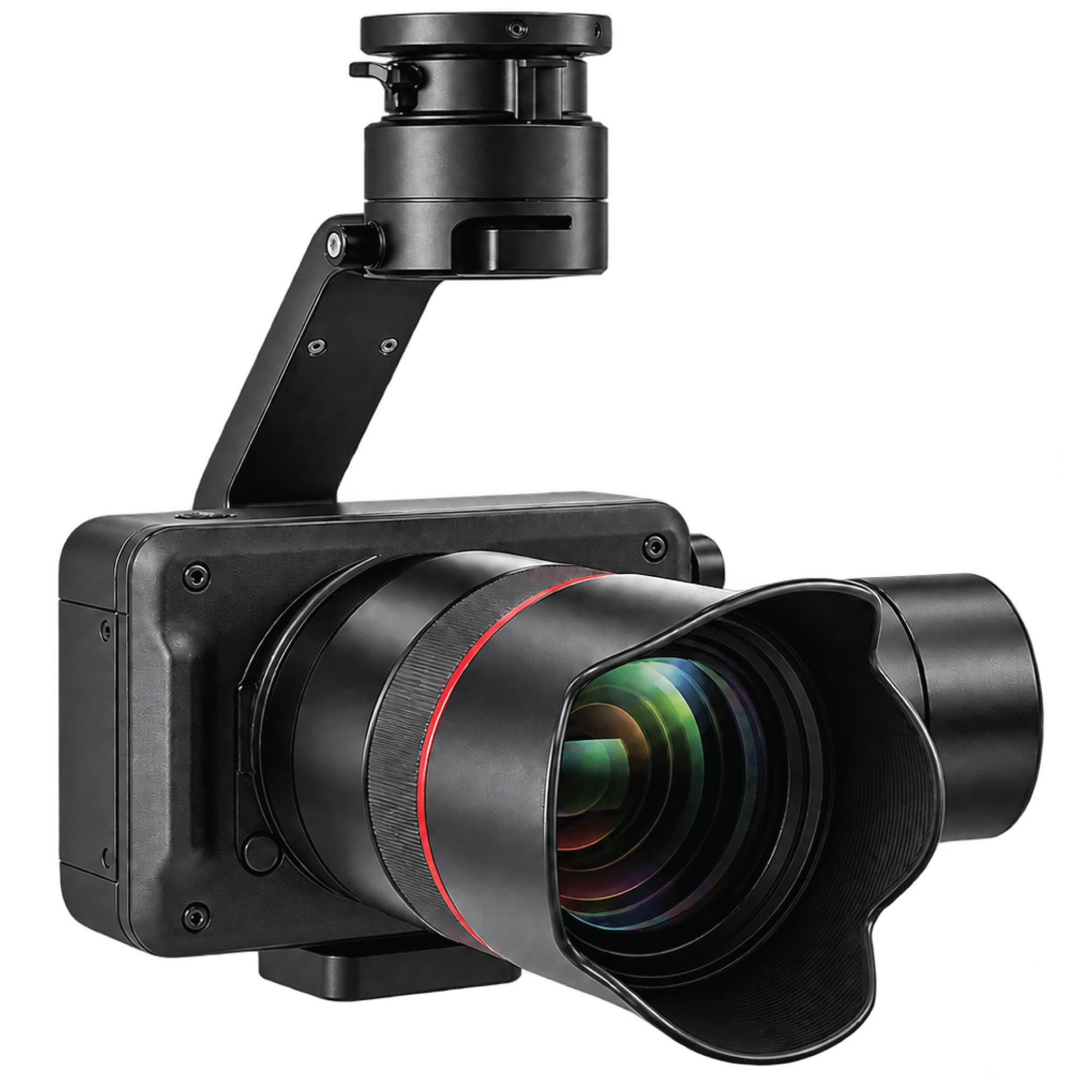
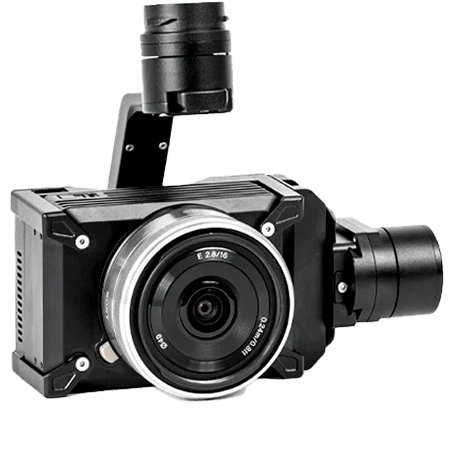
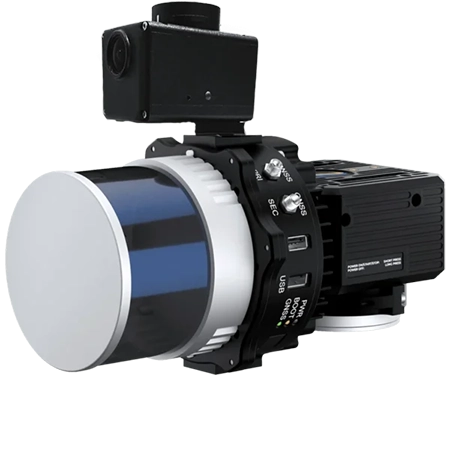
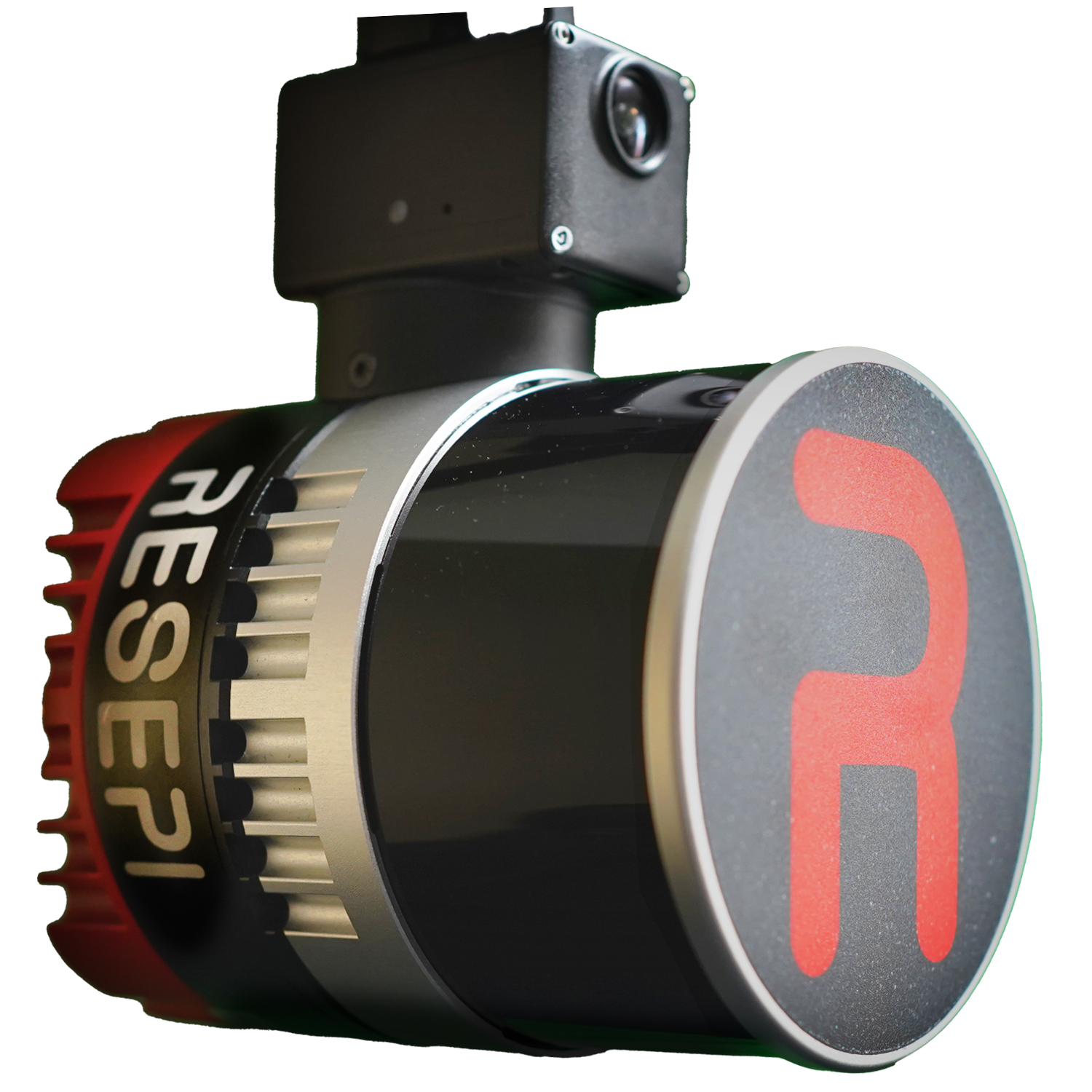
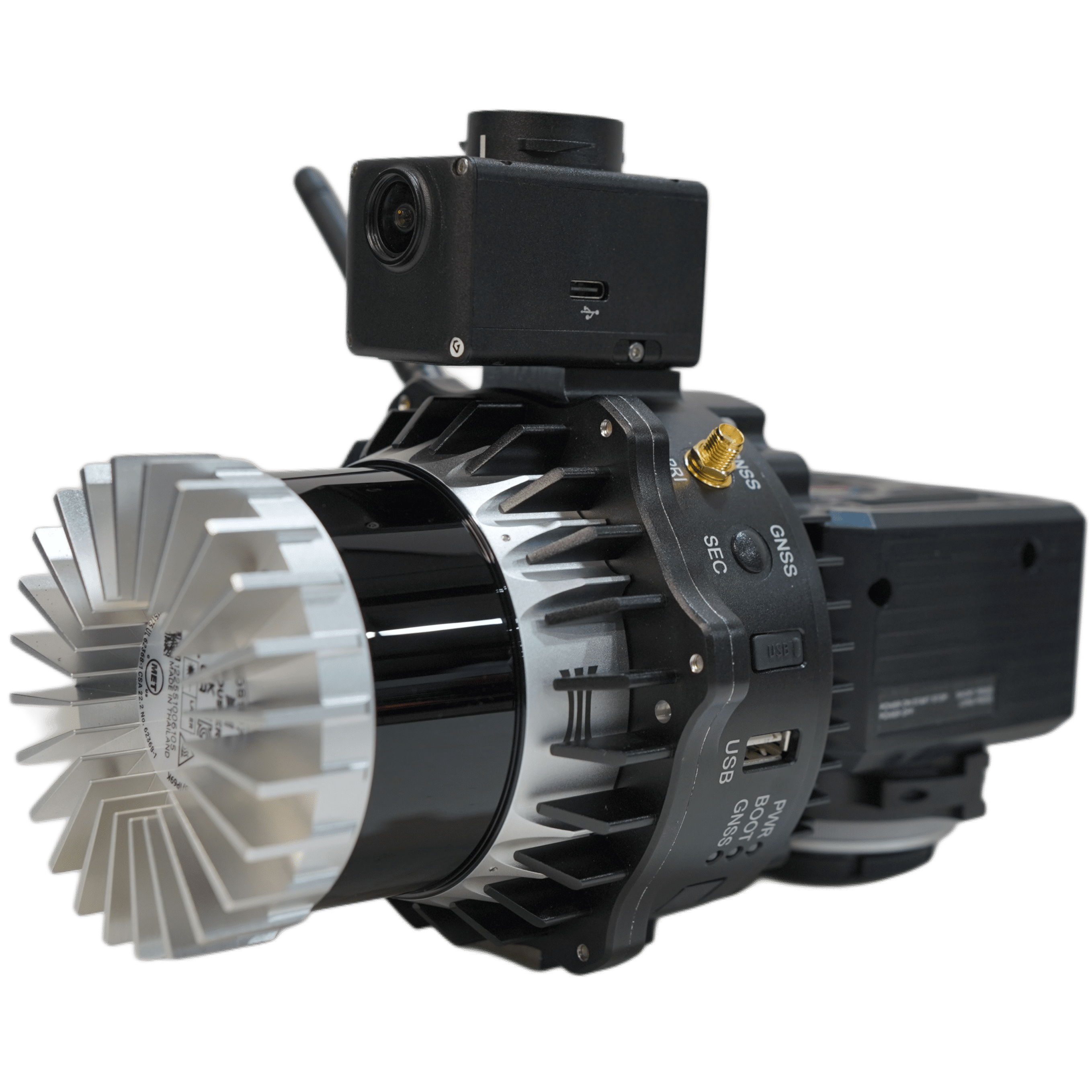
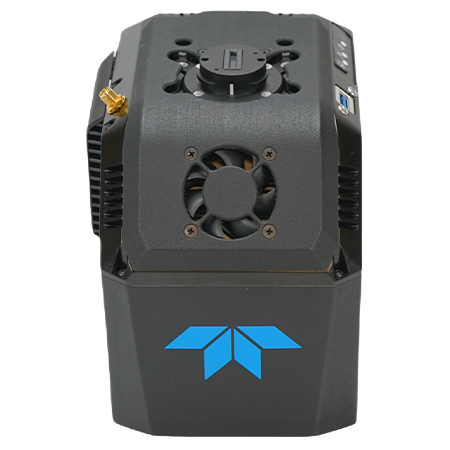
Providing a range of payload options in inspections enhances flexibility, improves data quality, and contributes to cost-effective and adaptable processes, ultimately increasing the effectiveness of inspections across various industries. With WISPR Systems, you have the ability to access the right tool for each job.
WISPR Systems’ American-made drones are NDAA complaint and tout robust and reliable features, such as encrypted communication systems and secure software, which are essential for maintaining the integrity of the inspection process. This enhances trust and compliance with government regulations and security protocols, making them a preferred choice for critical infrastructure inspections where data security and regulatory adherence are paramount.